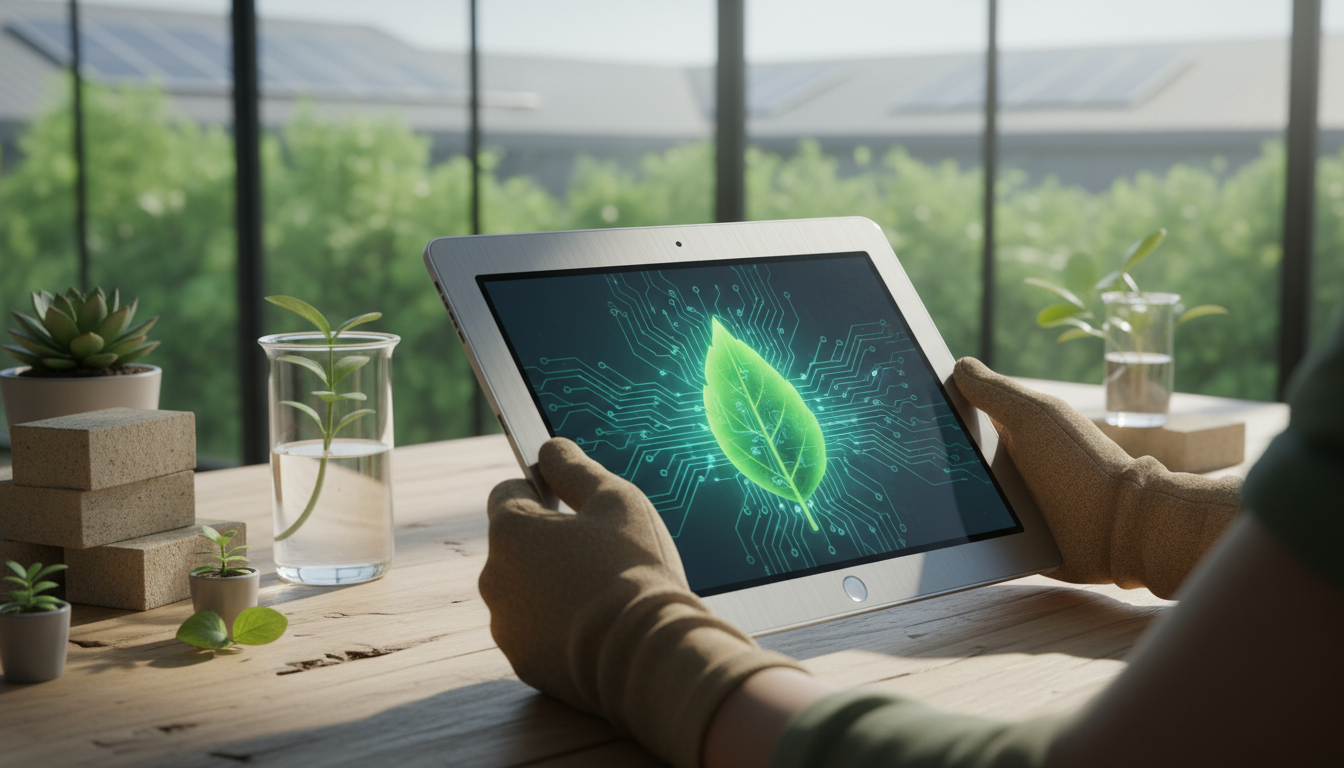
In an era where environmental consciousness is paramount, Apple's iPad stands out not just for its innovative technology but also for its commitment to sustainability. As we step into 2026, the iPad continues to evolve, incorporating features that minimize environmental impact while enhancing user experience. This article delves into how the iPad is paving the way for a greener future within the Apple ecosystem, focusing on eco-friendly hardware, software optimizations, and user practices.
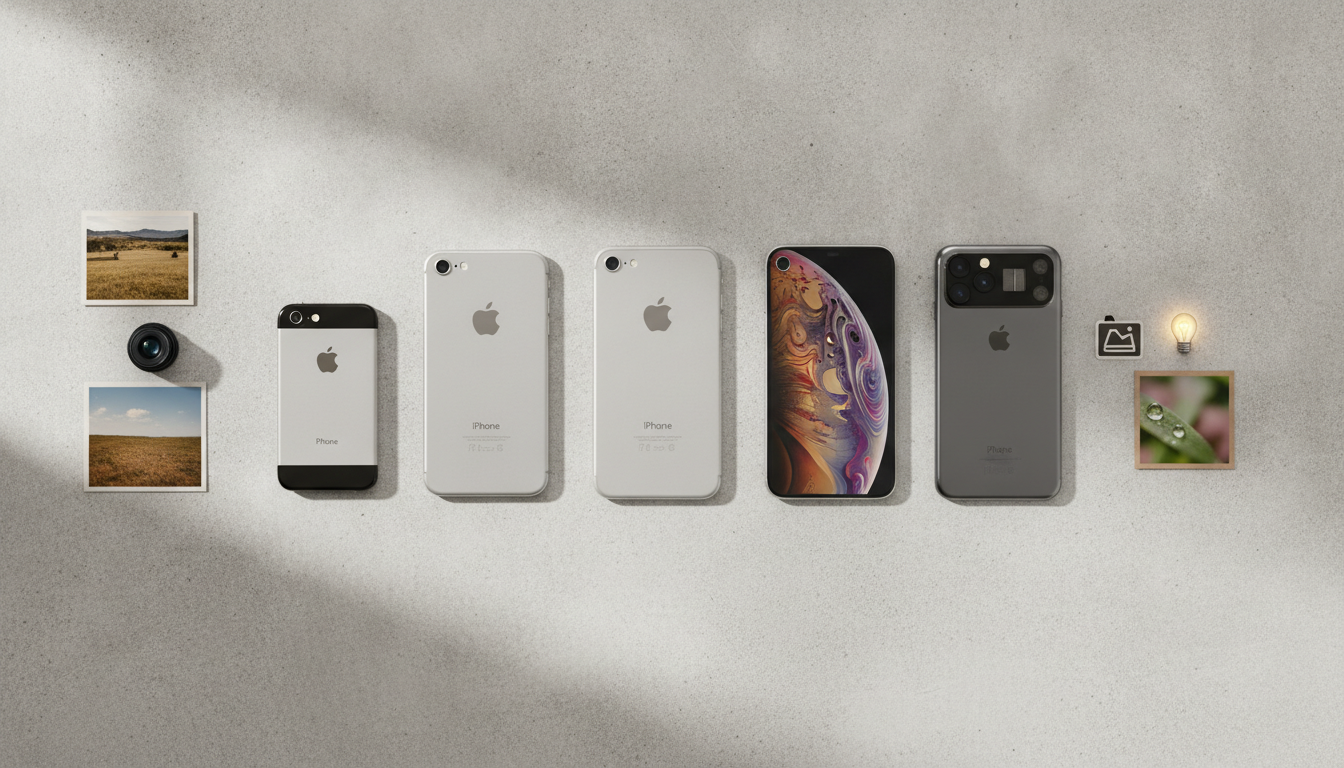
The Evolution of Eco-Friendly Hardware in iPad
Apple has long been at the forefront of sustainable manufacturing, and by 2026, the iPad lineup reflects this dedication more than ever. The latest iPad models, such as the iPad Air and iPad Pro, utilize recycled materials extensively. For instance, the aluminum enclosures are made from 100% recycled aluminum, reducing the carbon footprint associated with mining new resources. This shift not only conserves natural resources but also sets a benchmark for the tech industry.
Moreover, battery technology in iPads has seen significant advancements. In 2026, iPads feature longer-lasting batteries that are designed for easier recycling. Apple's innovation in lithium-ion batteries includes the use of cobalt-free options, which lessen the environmental strain from mining rare earth metals. This means users can enjoy extended usage times - up to 10 hours of video playback on the latest models - while contributing to a circular economy.
Another key aspect is energy efficiency. iPads now come with more efficient displays that consume less power without compromising on brightness or color accuracy. The Liquid Retina displays, for example, incorporate low-power modes that activate automatically, helping users reduce energy consumption during daily tasks like reading e-books or browsing the web.
iPadOS Updates for Sustainable Usage
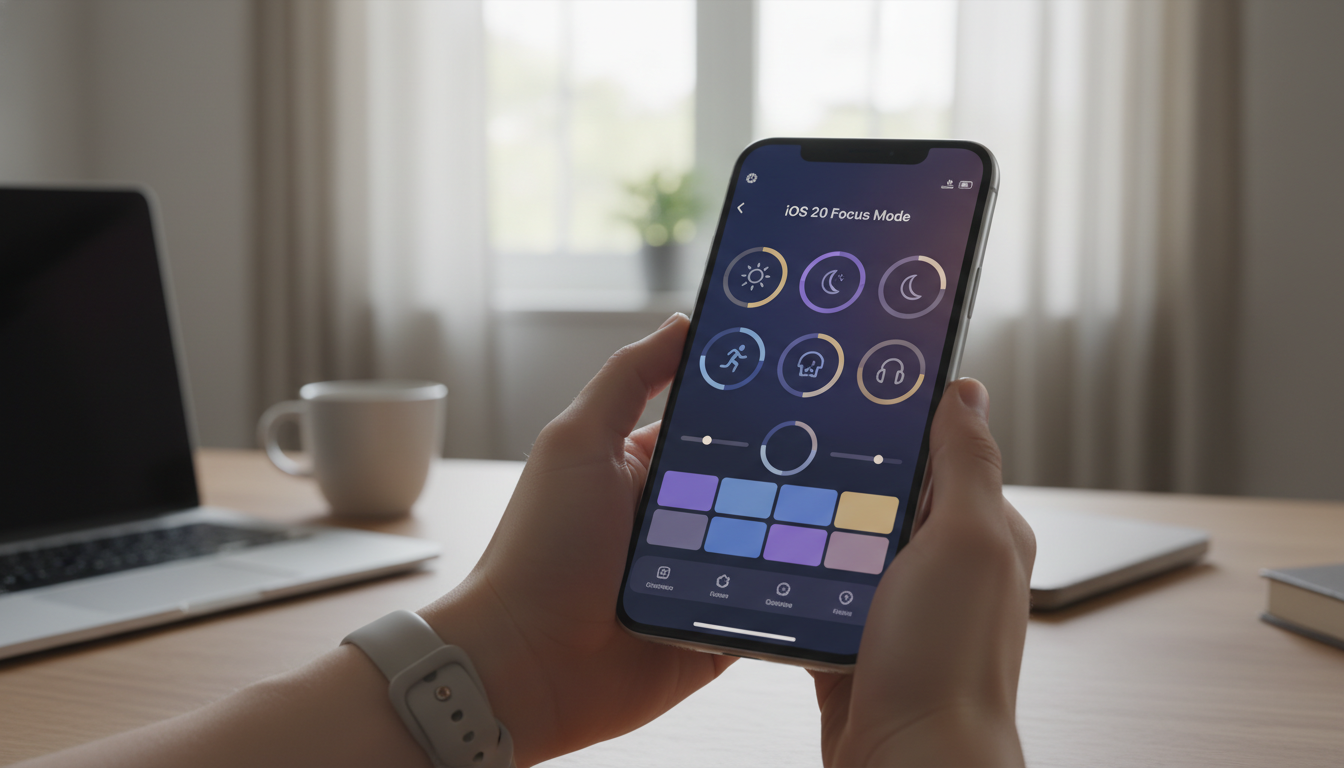
iPadOS, Apple's operating system tailored for iPads, has introduced several features in its 2026 updates that promote sustainable habits. One standout is the enhanced "Eco Mode" in iPadOS 20, which optimizes app performance to minimize energy use. This mode intelligently adjusts CPU and GPU usage based on the user's activity, potentially extending battery life by up to 20% compared to previous versions.
Furthermore, iPadOS now includes better integration with Apple's sustainability apps. For example, the pre-installed "Apple Earth" app provides real-time data on carbon emissions and offers tips on how to reduce your digital footprint. Users can track their device's energy usage and even set goals for more eco-friendly behavior, such as scheduling software updates during off-peak hours to avoid straining the power grid.
Privacy and security features in iPadOS also play a role in sustainability. By prioritizing on-device processing for tasks like photo editing or AI-assisted learning, iPads reduce the need for data centers, which are energy-intensive. This not only enhances user privacy but also cuts down on the global energy demand from cloud computing.
Apps and Accessories That Complement Green Living
The Apple App Store is a treasure trove of applications that align with environmental goals, and in 2026, it's more curated than ever for sustainability. Apps like "EcoTracker" allow users to monitor their carbon footprint directly from their iPad, integrating seamlessly with other Apple devices for a holistic view. Another app, "Green Gardens," uses the iPad's augmented reality capabilities to help users plan sustainable gardens, promoting biodiversity and reducing waste.
- Recycled Accessories: Apple's official accessories, such as the Smart Keyboard and Apple Pencil, are now made with recycled plastics and metals, encouraging users to choose eco-friendly options.
- App Integration: Educational apps for environmental science leverage the iPad's powerful processors to run simulations that teach about climate change, all while being optimized for low energy use.
- Family Sharing Features: iPadOS enables family sharing of apps and content, reducing the need for multiple devices and thus minimizing electronic waste.
Beyond apps, Apple's ecosystem supports sustainability through features like Sidecar, which allows an iPad to extend a Mac's display. This means users can repurpose older iPads instead of buying new ones, extending device lifespans and reducing e-waste.
Integration Within the Apple Ecosystem
The iPad doesn't exist in isolation; it's a key player in the broader Apple ecosystem. In 2026, seamless integration with devices like the iPhone and Mac amplifies its sustainability benefits. For instance, Handoff allows users to continue tasks across devices, optimizing resource usage and preventing redundant operations. This connectivity ensures that users get the most out of their existing Apple products, fostering a more sustainable approach to technology consumption.
Apple's emphasis on trade-in programs and device repairability further supports this. Through the Apple Trade In program, users can exchange their old iPads for credit towards new ones, ensuring that devices are recycled responsibly. Additionally, the introduction of user-replaceable parts in iPads by 2026 makes repairs easier, reducing the likelihood of devices ending up in landfills.
The Future of iPad and Environmental Innovation
Looking ahead, Apple's roadmap for iPad includes even more groundbreaking features aimed at sustainability. Rumors suggest that future iPads might incorporate advanced biodegradable materials and AI-driven energy management systems. By 2026, these innovations could make the iPad not just a tool for productivity but a symbol of environmental stewardship.
In conclusion, the iPad's role in promoting environmental sustainability is multifaceted, from its hardware design to software features and ecosystem integration. As we navigate 2026, adopting an iPad means choosing a device that aligns with a greener planet. Whether you're a student, professional, or casual user, the iPad offers tools to make everyday actions more eco-friendly, proving that technology and sustainability can go hand in hand.