In the ever-evolving world of technology, Apple has consistently stood as a beacon of innovation, blending cutting-edge software with intuitive hardware. As we step into 2026, it's fascinating to reflect on how Apple's general approaches to product development have shaped the industry. This article delves into the broader trends that define Apple's ecosystem, drawing from historical patterns and emerging general directions, while steering clear of specific rumors or updates.
The Foundations of Apple's Software Philosophy
Apple's software, particularly its operating systems, has always prioritized user experience above all else. From the early days of the Macintosh to the seamless integration seen in modern devices, Apple's commitment to intuitive design has set it apart. Imagine a world where your device anticipates your needs, making everyday tasks feel effortless. This philosophy extends to their mobile platforms, where the focus on simplicity and reliability has built a loyal user base.
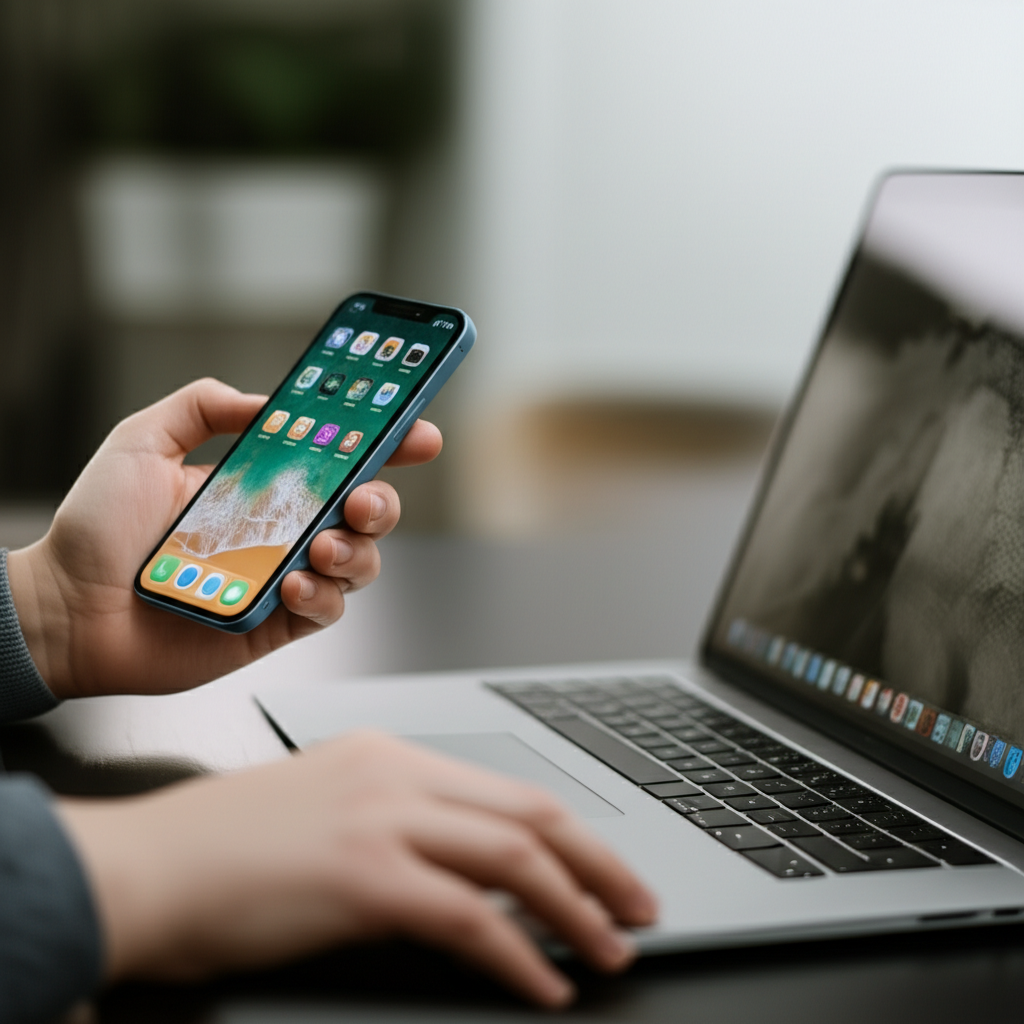
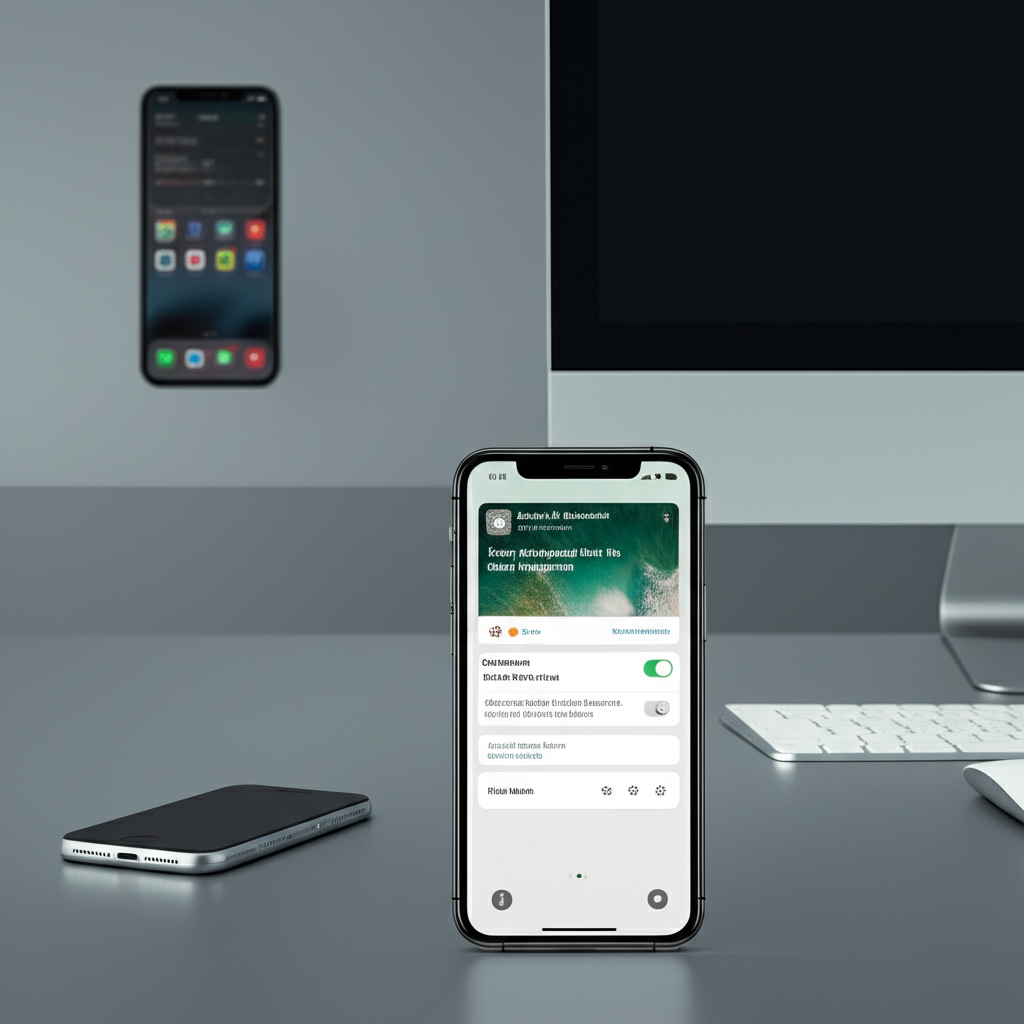
Over the years, general enhancements in software have included improved performance optimizations and better cross-device connectivity. For instance, features that allow for smooth file sharing and synchronization across devices highlight Apple's ecosystem strength. These developments aren't just about adding bells and whistles; they're about creating a cohesive environment that enhances productivity and creativity.
One key aspect is the emphasis on accessibility. Apple has long championed features that make technology usable for everyone, regardless of ability. This includes voice controls, adaptive interfaces, and tools that assist with daily navigation. As technology advances, these elements continue to evolve, ensuring that innovation serves all users.
Hardware Evolution: A Testament to Design Excellence
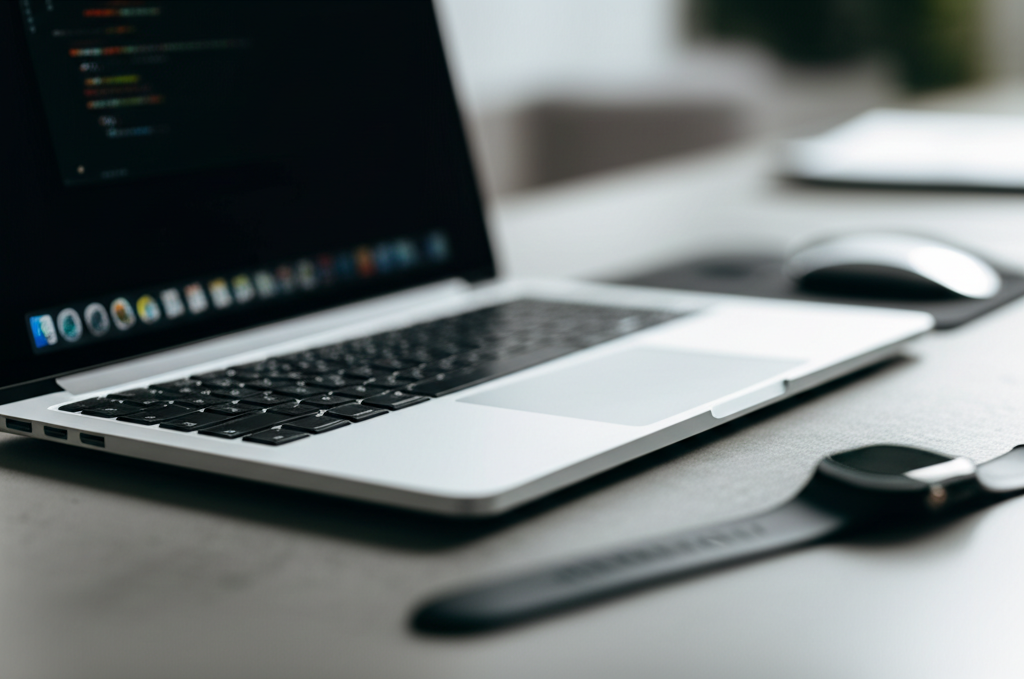
On the hardware front, Apple is renowned for its meticulous attention to detail. From sleek laptops to portable tablets, the company's devices are engineered not just for functionality but for aesthetic appeal and durability. This dedication to quality materials and ergonomic design has influenced competitors and consumers alike.
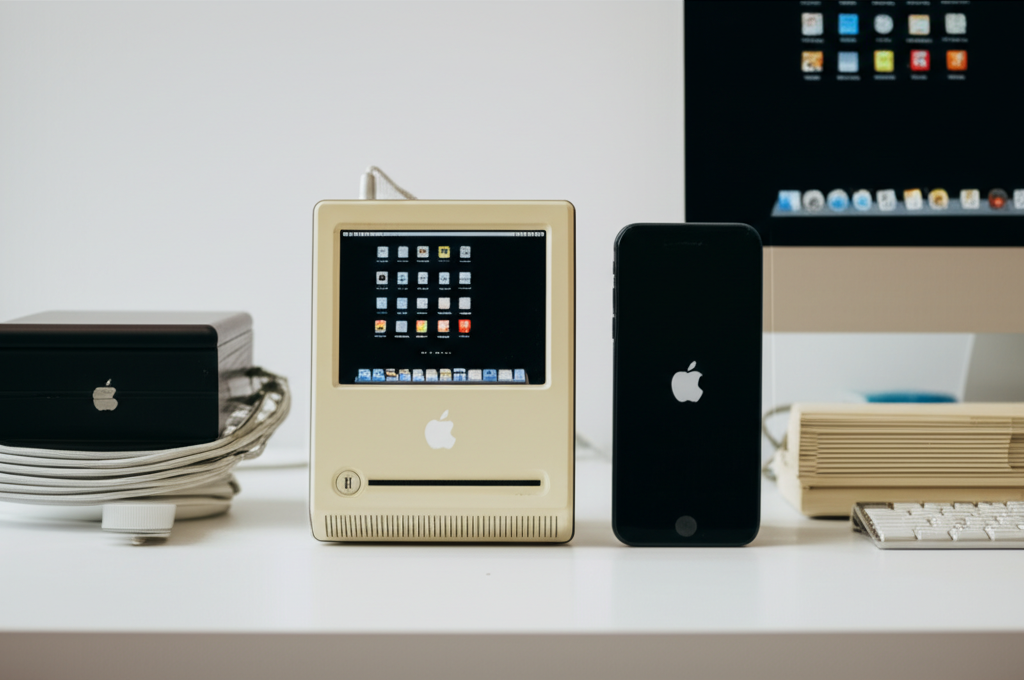
Consider the progression of personal computing devices. Early models focused on portability and power, and this trend persists with ongoing refinements in build quality and efficiency. Apple's approach often involves integrating advanced components that balance performance with energy conservation, contributing to longer device lifespans and reduced environmental impact in a general sense.
In recent general observations, there's a noticeable shift towards modular designs that allow for easier upgrades and repairs. This not only extends the usability of devices but also aligns with broader industry moves towards sustainability. While specifics vary, the underlying principle is clear: Apple designs hardware that adapts to the future without becoming obsolete quickly.
The Interplay Between Software and Hardware
What truly sets Apple apart is the seamless integration between its software and hardware. This synergy creates an ecosystem where devices work in harmony, offering a level of convenience that's hard to match. For example, general updates often bring optimized software that takes full advantage of hardware capabilities, resulting in faster processing and more intuitive interactions.
From creative professionals to everyday users, this integration boosts efficiency. Artists might appreciate how software leverages hardware graphics to enhance editing tools, while business users benefit from secure, streamlined workflows. It's this holistic approach that fosters loyalty and drives the company's success.
Broader Industry Influences and Future Directions
Apple's influence extends beyond its products, shaping industry standards in privacy, security, and user-centric design. In an era where data protection is paramount, Apple's general stance on safeguarding user information has prompted widespread discussions and changes across the tech sector.
Looking ahead, general trends suggest a continued focus on expanding accessibility and personalization. As artificial intelligence becomes more prevalent, we can expect software to become even more adaptive, learning from user behaviors to provide tailored experiences. Hardware might see advancements in materials science, leading to lighter, more resilient devices.
Moreover, Apple's role in promoting digital wellness is noteworthy. Features that encourage balanced usage, such as screen time limits and notification management, reflect a broader commitment to mental health in the digital age. These elements are becoming standard, influencing how other companies approach user well-being.
Challenges and Opportunities in the Tech Landscape
Despite its successes, Apple faces challenges in a competitive market. Rapid technological advancements mean that staying ahead requires constant innovation. General economic factors, such as supply chain dynamics and global regulations, also play a role in shaping product development.
Opportunities abound, particularly in emerging fields like augmented reality and health tech. Apple's general forays into these areas could redefine how we interact with the world, blending physical and digital realms seamlessly. For instance, enhanced reality features might transform education and entertainment, making learning more interactive and engaging.
The Global Impact of Apple's Ecosystem
Globally, Apple's ecosystem has a profound impact on economies and societies. It supports millions of jobs through its supply chain and app ecosystem, fostering innovation in app development and content creation. In developing regions, affordable access to Apple's tools can empower individuals and businesses, driving economic growth.
Education is another area where Apple shines. Programs that provide devices and software to schools help bridge the digital divide, equipping students with skills for the future. This commitment to education underscores Apple's role as a catalyst for positive change.
Consumer Perspectives: Why Apple Resonates
From a consumer standpoint, Apple's appeal lies in its reliability and brand prestige. Users often cite the premium feel of devices and the peace of mind that comes with robust support systems. Communities of Apple enthusiasts share tips and experiences, creating a vibrant network that enhances the overall user experience.
Surveys and feedback generally indicate high satisfaction rates, attributed to intuitive interfaces and consistent performance. As technology becomes more integrated into daily life, Apple's focus on user-friendly design ensures that even complex features remain accessible.
Looking Forward: Sustaining Momentum
As we navigate 2026, Apple's ability to sustain its momentum will depend on adapting to changing consumer needs and technological shifts. By continuing to prioritize innovation, quality, and user-centric design, Apple can maintain its leadership position.
In summary, Apple's legacy is built on a foundation of thoughtful innovation that transcends specific products. Whether through software refinements or hardware advancements, the company continues to push boundaries, inspiring the tech world and its users alike.
Key Takeaways
- Apple's software philosophy emphasizes user-friendly design and seamless integration.
- Hardware evolution focuses on durability, aesthetics, and adaptability.
- The ecosystem's synergy enhances productivity and creativity for users.
- Broader trends include advancements in accessibility and digital wellness.
- Challenges and opportunities shape Apple's future in a dynamic market.