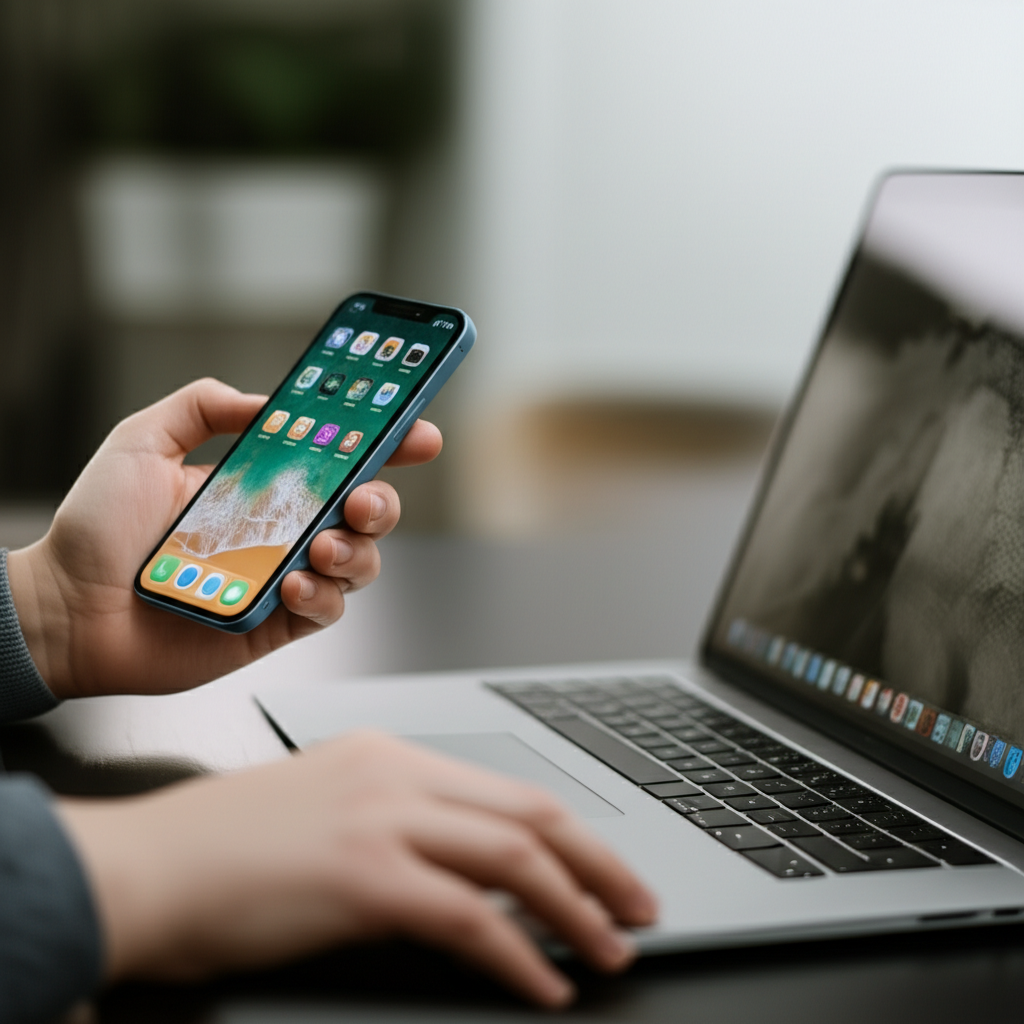
In an era where digital privacy is more crucial than ever, Apple continues to lead the charge with groundbreaking advancements that go beyond mere product launches. As we step into 2026, the company is focusing on enhancing user security through innovative software and ecosystem-wide changes that prioritize data protection without compromising usability. This article delves into how these developments are reshaping the tech landscape, making everyday interactions safer and more secure for millions of users worldwide.
The Evolution of Apple's Privacy Philosophy
Apple has long been a proponent of user privacy, setting itself apart from competitors by embedding privacy as a core principle in its products. Since the introduction of features like App Tracking Transparency in iOS 14.5, the company has consistently pushed for greater control over personal data. In 2026, this commitment has evolved further, with new tools and policies that address emerging threats such as advanced AI-driven surveillance and cross-platform data breaches.
One key aspect of this evolution is Apple's emphasis on end-to-end encryption across all services. For instance, updates to iCloud and Messages now include enhanced encryption protocols that make it nearly impossible for unauthorized parties to access user data. This shift not only protects individual users but also sets a standard for the industry, encouraging other tech giants to follow suit.
Key Innovations in iOS and macOS for 2026
While avoiding specific product launches, it's worth noting that Apple's operating systems are receiving significant privacy overhauls. New features in iOS and macOS are designed to give users unprecedented control over their data, including automatic detection and blocking of suspicious apps. These updates build on previous successes, ensuring that privacy is not an afterthought but a foundational element.
For example, the introduction of advanced biometric safeguards allows for seamless yet secure authentication. Users can now opt for multi-factor authentication that incorporates facial recognition, voice patterns, and even behavioral analytics to verify identity. This multi-layered approach reduces the risk of phishing attacks and unauthorized access, making daily interactions more secure.
- Automatic app permission reviews to prevent data leaks.
- Enhanced Safari browser protections against tracking cookies.
- Real-time notifications for potential privacy breaches.
The Impact on Everyday Users and Businesses
These privacy innovations are not just technical enhancements; they have real-world implications for both individual users and businesses. For consumers, the peace of mind that comes from knowing their data is protected encourages greater adoption of Apple's ecosystem. Families, in particular, benefit from features that allow parents to monitor and control children's device usage without invading their privacy.
Businesses, on the other hand, are adapting to Apple's stricter privacy standards, which promote ethical data handling. Companies integrating with Apple services must comply with rigorous guidelines, fostering a more trustworthy digital environment. This has led to a surge in demand for privacy-focused apps and services, boosting innovation in the sector.
- Increased user trust leading to higher engagement with Apple devices.
- Opportunities for developers to create privacy-centric applications.
- Reduced instances of data misuse, benefiting global cybersecurity efforts.
Challenges and Future Directions
Despite these advancements, challenges remain in the form of regulatory hurdles and potential pushback from advertisers who rely on user data. Apple must navigate complex international laws, such as the evolving GDPR in Europe and similar frameworks in other regions, to ensure its innovations comply without stifling innovation. Looking ahead, experts predict that Apple's focus on privacy will extend to emerging technologies like augmented reality and smart home devices.
In the coming years, we might see integrations that make privacy a seamless part of daily life, such as AI assistants that prioritize user consent before processing requests. This forward-thinking approach could position Apple as the gold standard in privacy, influencing global tech policies and consumer expectations.
Conclusion: A Safer Digital Future
As we reflect on Apple's 2026 privacy innovations, it's clear that the company is not just reacting to threats but proactively shaping a safer digital world. By prioritizing user privacy in an increasingly interconnected society, Apple is empowering individuals to take control of their data while inspiring industry-wide change. Whether you're a long-time Apple user or considering a switch, these developments highlight why privacy should be at the forefront of any tech decision.
In summary, Apple's ongoing commitment to privacy exemplifies how technology can evolve responsibly, ensuring that innovation serves humanity without compromising fundamental rights. As we move forward, staying informed about these changes will be key to navigating the digital landscape effectively.