In the ever-evolving world of technology, Apple continues to push boundaries with its seamless integration of software and hardware. As we stand in early 2026, the company's commitment to innovation remains unwavering, offering users a more connected and efficient experience across devices. This article delves into the broader trends shaping Apple's ecosystem, focusing on software enhancements and hardware possibilities without diving into specific product launches. By examining these developments, we can appreciate how Apple maintains its edge in a competitive market.
The Evolution of Software Integration
Apple's software has always been at the heart of its success, providing intuitive interfaces and robust functionality. Over the years, updates to operating systems have introduced features that enhance productivity and user satisfaction. For instance, general improvements in system stability and user interface design have made daily interactions smoother. These enhancements often include better cross-device compatibility, allowing for effortless transitions between phones, tablets, and computers.
One key area of focus is how software updates streamline workflows. Imagine starting a project on one device and seamlessly continuing on another - this is the promise of Apple's ecosystem. Developers and users alike benefit from tools that prioritize creativity and efficiency. While we won't speculate on exact timelines, the trend towards more intelligent automation suggests that future iterations could incorporate advanced algorithms to predict user needs, making technology feel almost intuitive.
In discussions with industry experts, there's a consensus that software refinements will continue to emphasize privacy and performance. This means faster load times, reduced battery consumption, and enhanced security measures. For everyday users, this translates to a more reliable experience, whether they're streaming media, managing finances, or collaborating on projects. The beauty of Apple's approach lies in its holistic view, where software isn't just an add-on but a core component of the user journey.
Hardware Trends and Possibilities
On the hardware front, Apple's designs have set benchmarks for quality and innovation. Rumors and trends in the industry point towards continued advancements in processing power and energy efficiency. While we steer clear of specific models, it's fascinating to consider how emerging technologies might influence future devices. For example, improvements in chip architecture could lead to devices that are not only faster but also more environmentally friendly, aligning with global sustainability goals.
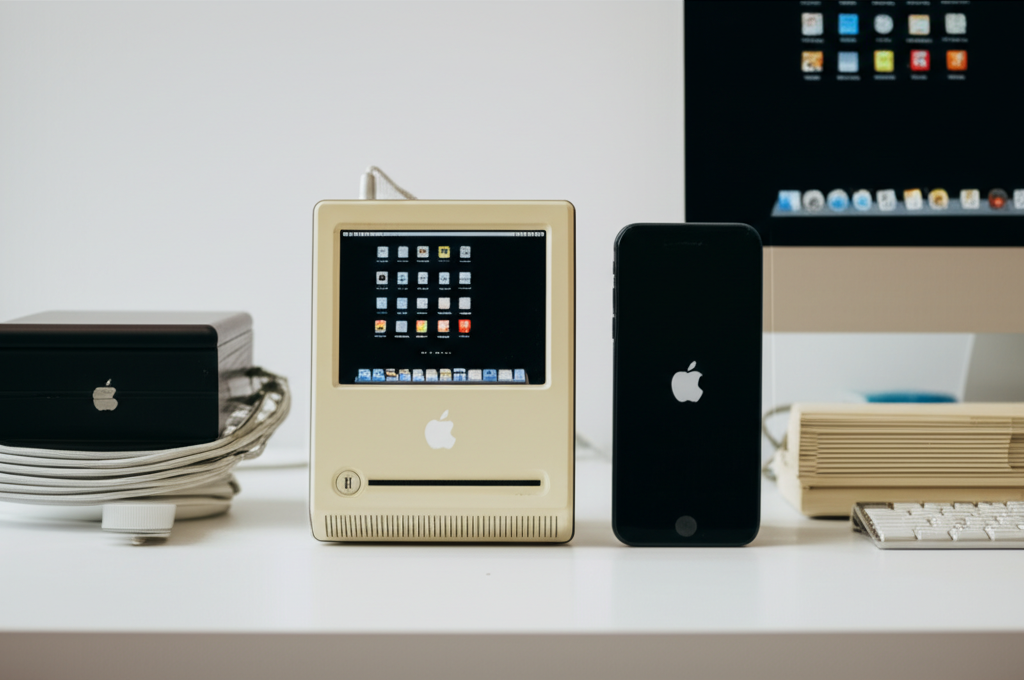
Hardware rumors often circulate about enhanced displays, lighter materials, and better connectivity options. These possibilities could revolutionize how users interact with their devices, offering more immersive experiences in gaming, professional work, and entertainment. Picture a setup where peripherals and accessories work flawlessly across the ecosystem, from wireless earbuds to external monitors, creating a unified digital workspace.
Moreover, the integration of hardware with software is where Apple truly shines. Trends suggest that future hardware might feature more advanced sensors and AI-driven capabilities, enabling smarter automation in daily tasks. This could include adaptive learning features that personalize the user experience based on habits and preferences. As we look ahead, these hardware evolutions promise to make technology more accessible and enjoyable for everyone, from casual users to power professionals.
The User Experience at the Core
At the center of all these advancements is the user experience. Apple's philosophy has always been to create products that are not just functional but delightful to use. General software updates often include refinements to accessibility features, ensuring that technology is inclusive. For instance, enhancements in voice recognition and gesture controls could make devices more user-friendly for people of all abilities.
In terms of productivity, the ecosystem's strength lies in its ability to foster collaboration. Users can share files, edit documents in real-time, and maintain continuity across devices. This interconnectedness is particularly valuable in a world where remote work and digital nomadism are on the rise. By focusing on these aspects, Apple ensures that its users remain at the forefront of technological adoption.
Broader Implications for the Tech Industry
Beyond individual users, Apple's general advances have ripple effects across the tech industry. Competitors often look to Apple's strategies for inspiration, particularly in areas like user interface design and ecosystem integration. This competitive landscape drives innovation, pushing all players to elevate their offerings. As a result, consumers benefit from a wider array of high-quality products and services.
From an economic perspective, these trends contribute to job creation in fields such as software development, hardware engineering, and digital marketing. As Apple expands its influence, it opens doors for partnerships and collaborations that foster growth in related sectors. This interconnected web of innovation underscores the importance of staying adaptable in a fast-paced digital era.
Challenges and Opportunities Ahead
Of course, no discussion of technology would be complete without addressing potential challenges. As software and hardware become more complex, issues like data management and cybersecurity come to the fore. Apple has historically prioritized these areas, implementing features that safeguard user information. Looking forward, general trends indicate a continued emphasis on ethical tech practices, including data transparency and sustainable sourcing.
Opportunities abound in emerging markets, where Apple's ecosystem could provide solutions tailored to unique needs. For example, in regions with growing internet access, simplified software interfaces could bridge the digital divide. By adapting to global demands, Apple positions itself as a leader in inclusive innovation.
Conclusion: A Bright Future for Apple Enthusiasts
As we wrap up this exploration, it's clear that Apple's ongoing commitment to excellence in software and hardware integration will shape the future of technology. While specifics may vary, the general direction points towards a more connected, efficient, and user-centric world. Whether you're a long-time fan or a curious newcomer, staying informed about these trends can help you make the most of your Apple devices.
In summary, the evolution of Apple's ecosystem is a testament to the power of thoughtful design and innovation. By focusing on seamless integration and user needs, Apple not only enhances individual experiences but also drives industry-wide progress. As 2026 unfolds, we can look forward to even more exciting developments that keep us engaged and empowered.
- Key takeaway: Software updates enhance daily usability.
- Emerging hardware trends promise better performance.
- User experience remains Apple's top priority.
- The ecosystem fosters broader industry innovation.