Battery performance has always been one of the most talked-about issues among iPhone users. As iPhones become more powerful and users depend on them for longer periods each day, battery longevity is increasingly vital. In 2026, Apple is making battery health a clear priority, with new features in iOS 19 and anticipated upgrades coming with the rumored iPhone 18. Here’s a closer look at how Apple is tackling battery health from both software and hardware perspectives, and what users can do to keep their devices in top shape.
The New Battery Health Dashboard in iOS 19
Apple first introduced Battery Health to iOS users in version 11.3, allowing people to see their battery’s maximum capacity as a percentage. Over time, this feature has expanded, and with iOS 19, battery health tracking is much more detailed.
- Cycle Count: The dashboard now tracks how many full charge cycles your iPhone battery has completed. This helps users understand how wear accumulates over time, since batteries typically have a finite number of cycles before performance drops.
- Temperature Diagnostics: The new dashboard reports how often your iPhone is exposed to temperatures outside the optimal range. Prolonged exposure to heat or cold can accelerate battery aging.
- Charging Habits Analysis: iOS 19 analyzes your charging patterns, including the frequency of fast charging and overnight charging. The feature provides feedback on which habits are potentially impacting battery health.
These improvements transform battery health from a vague percentage into a set of actionable insights. Users can now make informed decisions about charging, environment, and everyday usage, helping to avoid sudden drops in battery performance.
Smart Charging Gets Smarter: iOS 19 Enhancements
Smart Charging has been part of iOS for a few years, but iOS 19 brings significant enhancements by using machine learning to adapt charging schedules to your actual habits. If you routinely unplug your phone at the same time each day, iOS will slow charging overnight so your battery reaches 100 percent just before you need it. This reduces stress on the battery and improves longevity.
- iOS 19 learns your daily charging routines and optimizes charging speeds, aiming for battery preservation instead of just convenience.
- Temperature sensors continuously monitor charging conditions, pausing charging if the device becomes too warm.
- Charging notifications alert you if your patterns, such as frequent fast charging or leaving the phone plugged in too long, are causing excess battery wear.
These proactive measures reflect Apple’s commitment to helping users avoid unnecessary battery replacements and maintain reliable devices for longer periods.
Anticipated Battery Innovations in the iPhone 18
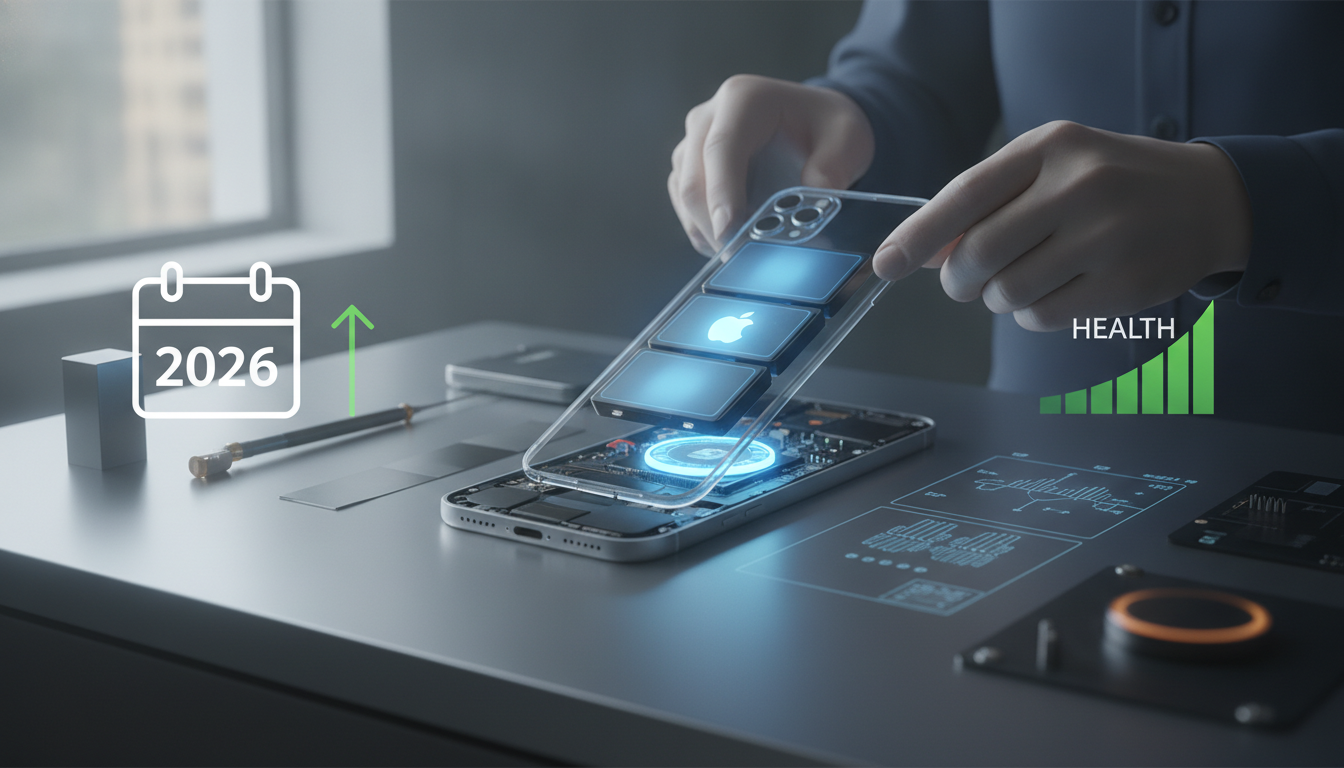
While software plays a crucial role, Apple is also focusing on hardware improvements. According to industry rumors and supply chain leaks, the iPhone 18 is likely to feature a redesigned battery with higher energy density and smarter thermal management. These changes could mean longer battery life and reduced overheating, especially during resource-intensive activities like gaming and video streaming.
- Layered Cell Architecture: The new battery design is expected to increase energy density and improve cell stability, allowing for more charge cycles before noticeable degradation.
- Graphene Additives: There are rumors that Apple may incorporate graphene materials, which can enhance battery life by reducing internal resistance and improving charging efficiency.
- Sustainable Materials: Apple continues its push toward using recycled and responsibly sourced materials in its batteries, aligning environmental sustainability with performance.
If these innovations debut in the iPhone 18, they could set a new industry benchmark for battery health and longevity, combining Apple’s software expertise with cutting-edge battery technology.
AppleCare+ and Battery Replacement: Streamlined Support
Aging batteries have often led users to seek replacements, which can be costly or inconvenient. In 2026, Apple is making the battery replacement process more user-friendly. Enhanced diagnostics now use real usage data to recommend battery replacements, eliminating guesswork based solely on age or cycle count.
- AppleCare+ coverage now includes one complimentary battery replacement during the coverage period, making it easier to keep devices running smoothly.
- Users can send battery health reports directly to Apple Support through the updated dashboard, speeding up the assessment and replacement process.
- Apple has improved packaging and logistics for battery replacements, committing to environmentally responsible recycling and disposal of old batteries.
These updates make maintaining battery health more accessible and less stressful, helping extend the usable life of iPhones for both everyday and power users.
Practical Tips for Maximizing iPhone Battery Health
Technology plays a big role, but what you do every day matters too. Here are steps iPhone owners can take to keep their batteries in good condition:
- Keep your iPhone away from extreme temperatures. Avoid leaving it in direct sunlight or freezing environments for extended periods.
- Enable Optimized Battery Charging in Settings. This feature is designed to reduce battery aging by learning your charging habits.
- Update your device to the latest iOS. Each update often includes new battery management features and bug fixes.
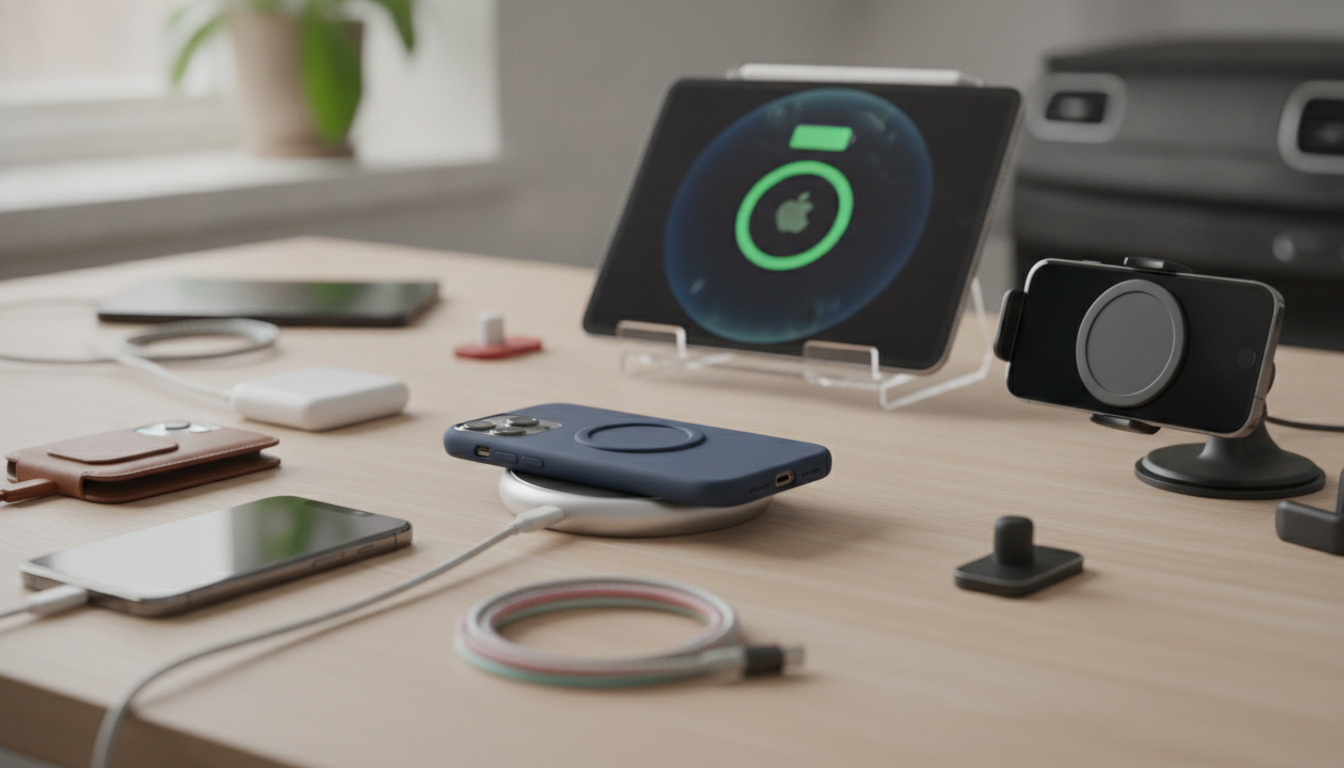
- Use Apple-branded or MFi-certified chargers and accessories. These are tested for safety and compatibility.
- Check your battery health dashboard regularly. Look for unusual drops in capacity, high cycle counts, or frequent temperature warnings.
Combining Apple’s technology with mindful charging habits is the best way to maximize battery lifespan and keep your iPhone dependable for years.
Battery Health Across the Apple Ecosystem
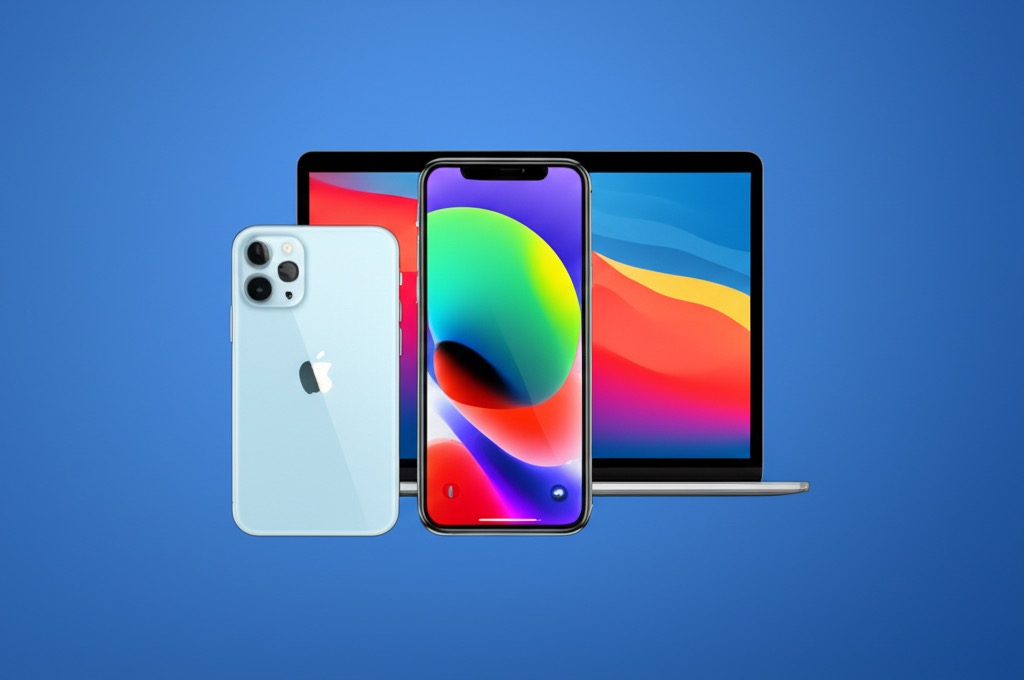
Apple’s emphasis on battery longevity extends well beyond the iPhone. iPad, MacBook, and Apple Watch are all seeing similar battery health improvements, from optimized charging to transparent diagnostics. This unified approach means users can expect consistent reliability and longer device lifespans across the entire Apple ecosystem.
Reducing e-waste and supporting device longevity are becoming core elements of Apple’s hardware and software development. As iOS 19 matures and the iPhone 18 arrives, battery health will remain a top priority, giving users confidence that their devices can keep up with their needs, whether for work, travel, or entertainment.
With smarter software, anticipated hardware advancements, and improved support, Apple is setting a new standard for battery management. Staying informed about new features and adopting practical habits can help any iPhone user make the most of their device well into the future.