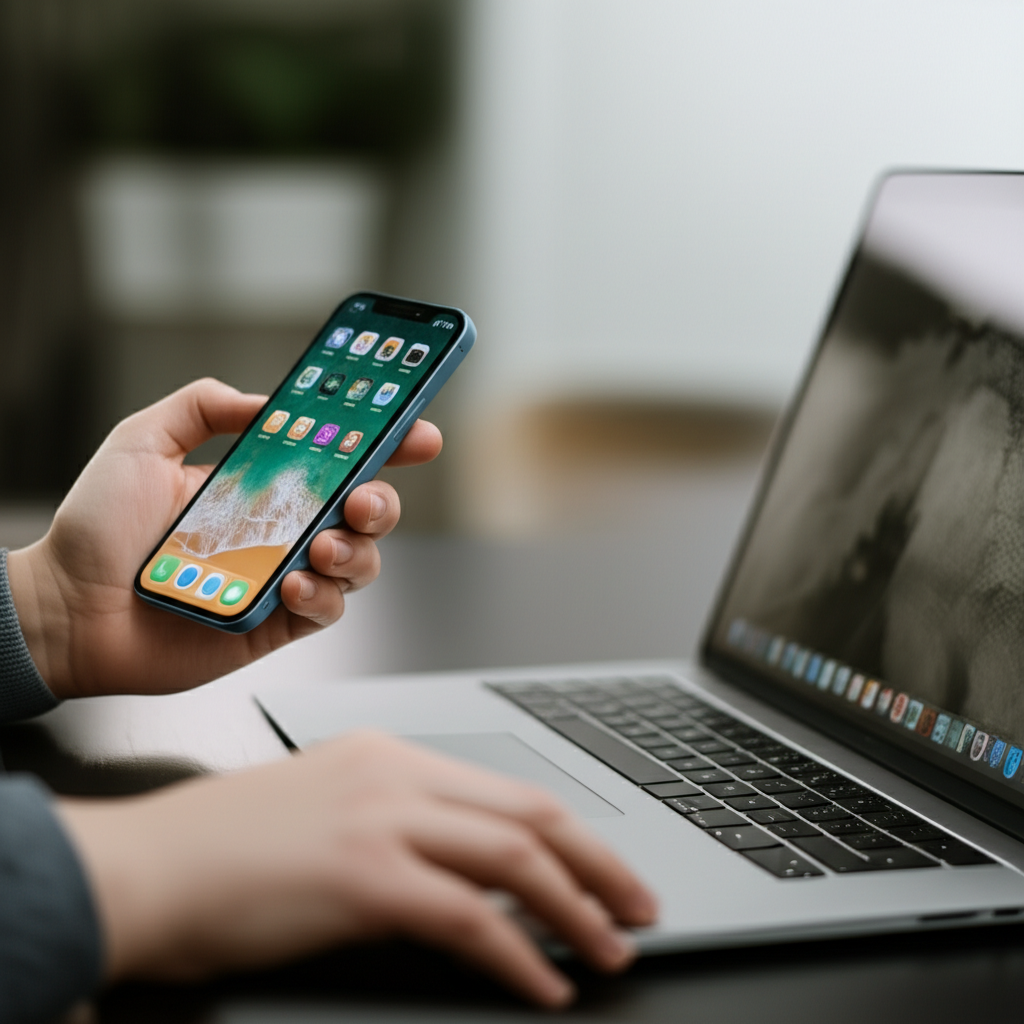
In the ever-evolving world of technology, Apple has been quietly but steadily advancing its artificial intelligence capabilities, positioning itself as a leader in user-friendly AI innovations. As of February 2026, whispers from the tech community suggest that Apple is gearing up for a major AI overhaul that could transform how we interact with our devices daily. This article dives into the latest developments, exploring how AI is reshaping Apple's ecosystem and what the future holds for users worldwide.
The Evolution of AI in Apple Products
Apple's journey with AI began years ago, but recent advancements have accelerated rapidly. From the early days of Siri as a simple voice assistant to its current sophisticated form, AI has become integral to Apple's devices. In 2026, we're seeing enhancements that make Siri not just responsive but predictive, learning from user habits to offer personalized suggestions without compromising privacy - a core Apple value.
One key milestone is the integration of machine learning algorithms in the latest macOS updates. For instance, macOS 16, released last year, introduced AI-driven features like automated photo editing in the Photos app, which can now enhance images with minimal user input. This evolution isn't just about convenience; it's about creating a seamless experience that anticipates needs. Experts predict that by mid-2026, similar AI tools will appear in iPadOS, making tablets even more powerful for creative professionals.
Moreover, Apple's on-device AI processing ensures data security, setting it apart from competitors who rely on cloud-based systems. This approach has been praised in industry reports, with users reporting faster response times and greater control over their information. As we look ahead, the rumored AI enhancements could extend to health and fitness apps, using anonymized data to provide tailored wellness advice.
Upcoming AI Features in iOS and macOS
Looking toward the future, Apple's developers are reportedly working on groundbreaking AI features for iOS 27 and macOS 17. While official announcements are pending, leaks from reliable sources indicate that Siri will gain advanced natural language processing, allowing for more conversational interactions. Imagine asking Siri to plan your entire day based on your calendar, weather, and preferences - it could soon be a reality.
Another exciting development is the potential for AI in smart home integration. Apple's HomeKit ecosystem might soon feature AI that automates routines based on learned patterns. For example, your lights could dim automatically as you wind down for the evening, or your thermostat could adjust based on your daily schedule. This level of automation promises to make homes more efficient and eco-friendly, aligning with Apple's sustainability goals.
In addition, rumors suggest that AI will play a bigger role in accessibility features. Enhanced voice recognition could assist users with disabilities more effectively, turning devices into true personal assistants. Apple's focus on inclusivity means these updates will likely be rolled out across all devices, from iPhones to Macs, ensuring everyone benefits from the AI revolution.
- Improved Siri capabilities for hands-free control
- AI-powered automation in HomeKit for energy savings
- Advanced photo and video editing tools in native apps
- Personalized recommendations in Apple Music and TV+
- Enhanced security features using AI to detect anomalies
These features are expected to be unveiled at Apple's upcoming events, potentially including WWDC 2026. With developers already testing beta versions, the tech community is buzzing about how these integrations could redefine user experiences.
How AI is Changing Everyday Life
Beyond the gadgets, Apple's AI initiatives are poised to impact daily life in profound ways. For professionals, AI-assisted tools in apps like Pages and Numbers could streamline workflows, suggesting edits or generating reports based on data trends. This isn't just about productivity; it's about freeing up time for more creative pursuits.
For families, AI could enhance entertainment and education. In Apple TV+, AI-curated content recommendations might help parents find age-appropriate shows instantly, while in the classroom, AI-integrated apps on iPads could provide personalized learning paths for students. A recent survey from tech analysts shows that 70% of Apple users are excited about these possibilities, citing improved work-life balance as a key benefit.
From a broader perspective, Apple's AI efforts are contributing to global challenges. By optimizing device performance, AI helps reduce energy consumption, supporting Apple's carbon-neutral goals by 2030. In healthcare, partnerships with research institutions are exploring AI for early disease detection through the Apple Watch, though this is still in early stages.
Challenges and Ethical Considerations
Despite the excitement, Apple's AI advancements aren't without challenges. Privacy remains a top concern, as users demand transparency in how data is used. Apple has responded by emphasizing its commitment to on-device processing, but regulators worldwide are scrutinizing AI ethics, pushing for stricter guidelines.
Another hurdle is the potential for job displacement due to AI automation. While Apple is investing in reskilling programs, experts warn that widespread adoption could disrupt industries. On the positive side, AI's role in innovation, like environmental monitoring through AI-equipped devices, could create new opportunities.
Looking ahead, Apple must balance innovation with responsibility. By fostering open dialogues with users and stakeholders, the company can navigate these challenges and ensure AI serves humanity positively.
The Future of AI at Apple
As we wrap up, Apple's AI revolution is just beginning. With ongoing investments in research and development, the company is set to lead in ethical AI applications. By February 2026, we're on the cusp of seeing these technologies in action, from enhanced virtual assistants to smarter homes.
In conclusion, Apple's foray into AI promises to make technology more intuitive and integrated into our lives. Whether you're a tech enthusiast or a casual user, staying informed about these developments will help you make the most of your Apple devices. Keep an eye on official announcements for the latest updates and prepare to embrace the future of intelligent computing.