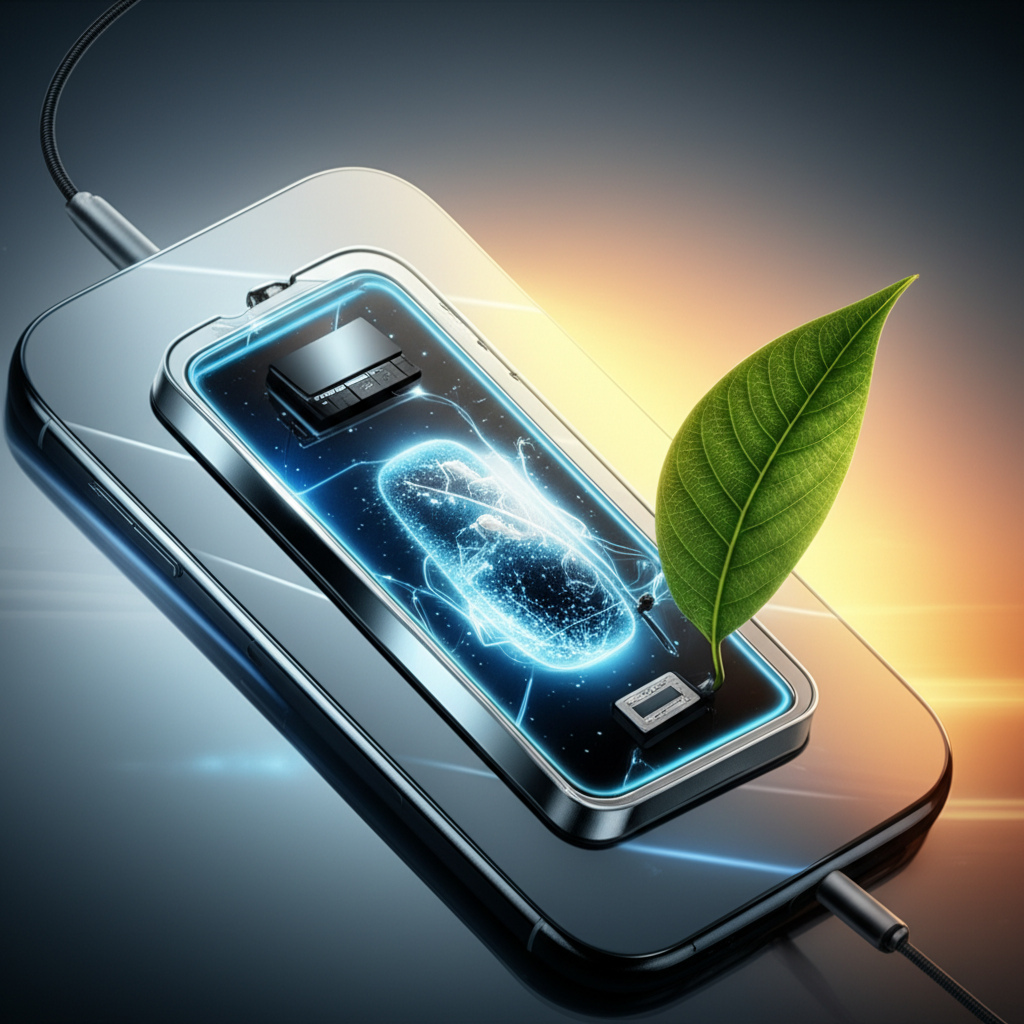
In the fast-paced world of technology, battery life remains one of the most critical factors for consumers. As we step into 2026, Apple is making headlines with its groundbreaking advancements in battery technology, focusing on eco-friendly solutions that promise longer-lasting power and reduced environmental impact. This article delves into how these innovations are set to transform everyday devices, from iPhones to MacBooks, ensuring users enjoy seamless experiences without the constant worry of recharging.
The Evolution of Battery Technology at Apple
Apple has long been at the forefront of innovation, but its journey with battery technology has seen significant evolution over the years. Starting from the early iPhone models that struggled with short battery life, Apple has progressively enhanced its devices through better hardware integration and software optimizations. By 2026, the company is shifting gears towards sustainable materials and advanced chemistry to address both performance and environmental concerns.
One key driver behind this evolution is the growing demand for greener technology. With global regulations pushing for reduced carbon footprints, Apple is investing heavily in research and development. Recent reports indicate that the company is exploring solid-state batteries, which offer higher energy density and faster charging times compared to traditional lithium-ion cells. This isn't just about making devices last longer; it's about creating a more sustainable future.
Key Innovations in Apple's 2026 Battery Lineup
Apple's 2026 battery innovations are centered around three main pillars: efficiency, sustainability, and user-centric design. First, efficiency improvements are being achieved through new materials that allow batteries to hold more charge without increasing size or weight. For instance, prototypes suggest that upcoming iPhones could see a 30-50% increase in battery capacity, enabling all-day usage even with intensive tasks like gaming or video editing.
Sustainability is another focal point. Apple is incorporating recycled materials and reducing reliance on rare earth metals, which are often sourced unethically. A notable breakthrough is the use of silicon-based anodes, which not only boost energy storage but also minimize waste. According to industry analysts, these changes could cut manufacturing emissions by up to 20%. To make this accessible, Apple is also developing modular battery designs that allow for easier recycling and upgrades.
- Enhanced energy density for longer device runtime.
- Integration of fast-charging technology that reaches 80% in under 15 minutes.
- Use of bio-degradable components to reduce environmental impact.
- AI-driven battery management systems that optimize power usage based on user habits.
User-centric design ensures that these advancements aren't just technical feats but practical enhancements. For example, new software algorithms in iOS 27 and macOS 17 will intelligently manage power, prioritizing essential apps and learning from user patterns to extend battery life further.
Impact on Apple's Product Ecosystem
These battery breakthroughs are poised to ripple across Apple's entire product lineup. Starting with the iPhone, expect the next iterations to feature slimmer designs without compromising on power, thanks to the compact nature of new battery tech. This could mean the end of bulky power banks for many users, as devices maintain charge throughout demanding days.
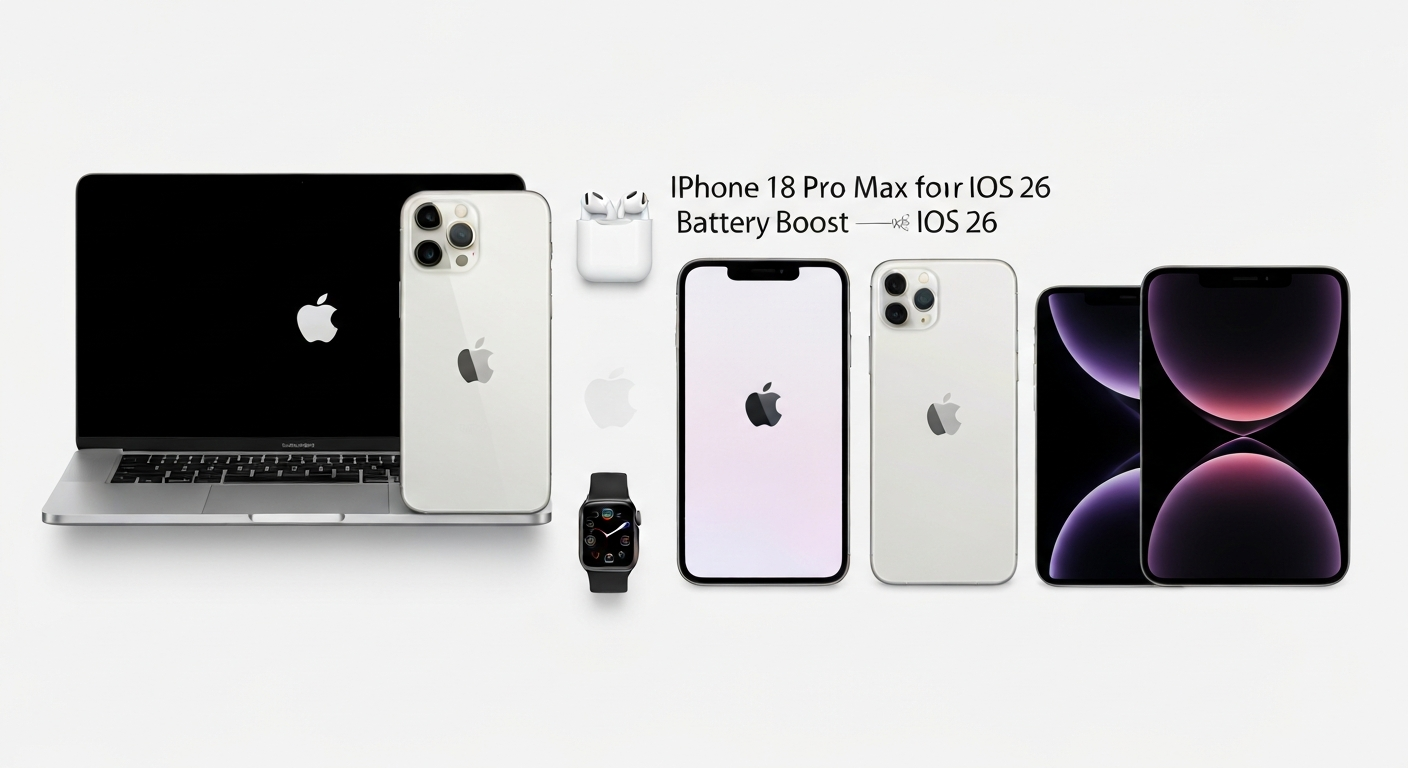
For MacBooks and iPads, the implications are even more profound. Laptops could see extended usage times, potentially lasting up to 24 hours on a single charge, which is ideal for professionals on the go. iPads, often used for creative work, will benefit from faster charging and more reliable performance during long sessions. Moreover, Apple's wearable devices, like the AirPods and Apple Watch, will incorporate these technologies for quicker recharges and improved overall efficiency.
Beyond individual devices, this shift enhances the Apple ecosystem as a whole. With better battery performance, features like seamless device switching and extended smart home integrations become more viable, reducing downtime and increasing productivity. Users can look forward to a more interconnected experience where devices work harmoniously without the fear of running out of power.
Challenges and Future Prospects
While the future looks bright, Apple faces several challenges in rolling out these innovations. Supply chain issues, particularly for sustainable materials, could delay widespread adoption. Additionally, ensuring safety with new battery chemistries is paramount, as past incidents with lithium-ion batteries have highlighted potential risks. Apple is addressing this through rigorous testing and partnerships with leading material scientists.
Looking ahead, the prospects are exciting. By 2027, we might see Apple expanding these technologies to electric vehicles or even energy storage solutions for homes. This aligns with broader industry trends towards renewable energy, positioning Apple as a leader in eco-friendly tech. Consumers should watch for announcements at upcoming events, where more details on pricing and availability could be revealed.
- Potential collaborations with energy companies for broader applications.
- Government incentives for adopting green technologies.
- Consumer education on the benefits of sustainable batteries.
In conclusion, Apple's 2026 battery revolution is more than just an upgrade; it's a commitment to a sustainable and efficient future. As we move forward, these developments will not only enhance user experiences but also contribute to global efforts in combating climate change.